How to Write an Application Letter for a Job in 2026: Complete Guide for Job Seekers

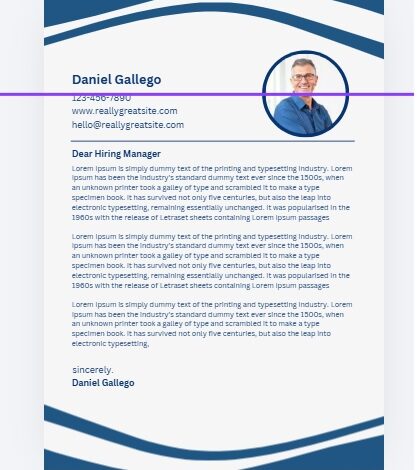
How to Write an Application Letter for A Job in 2026: Complete Guide for Job Seekers
Despite the rise of online applications, automated recruitment systems, and LinkedIn profiles, the application letter remains one of the most powerful tools a job seeker can use. Many candidates underestimate it, assuming their CV alone is enough. That assumption is often what costs them the job.
Recruiters are not just looking for qualifications; they are looking for clarity, intent, and alignment. Your application letter is where you demonstrate all three.
In Nigeria and across global job markets, employers still rely on application letters to quickly assess whether a candidate understands the role, can communicate professionally, and has the mindset required for the job. A poorly written letter signals carelessness, while a strong one positions you as intentional and competent even before your CV is reviewed.
An application letter is not just a formality. It is your first negotiation tool.
What Exactly Is an Application Letter for a Job?
An application letter is a formal document submitted alongside your CV when applying for a job. While the CV outlines your qualifications, the application letter explains them in context.
It answers questions that your CV cannot:
- Why are you applying for this job?
- What makes you suitable for this specific role?
- How can you contribute to the organization?
Think of it as a strategic narrative rather than a list of facts. It connects your past experience to the employer’s present needs.
Application Letter vs CV: What Most Job Seekers Get Wrong
One of the most common mistakes candidates make is treating the application letter as a duplicate of their CV. This is a structural error that weakens your application.
A CV is data-driven. It lists your education, experience, and skills in a structured format. An application letter, on the other hand, is persuasive. It interprets that data and frames it as value.
For example, your CV might say:
- Managed a sales team
- Increased revenue
Your application letter should say:
- How you managed the team
- What strategies you used
- The measurable impact you achieved
This difference is critical. Employers are not hiring lists they are hiring outcomes.
The Real Purpose of an Application Letter (Beyond “Applying”)
If you approach an application letter as just a requirement, you will write a weak one. If you understand its strategic purpose, your results will change. A strong application letter is designed to:
Position You as a Solution
Employers are not looking for employees; they are looking for solutions to problems. Your letter should clearly show how you solve those problems.
Demonstrate Communication Skills
Many jobs require clear communication. Your letter is direct evidence of your ability to express ideas professionally.
Show Intentionality
Generic applications are easy to spot. A tailored letter shows that you have taken time to understand the company and role.
Differentiate You from Other Candidates
When multiple candidates have similar qualifications, the application letter becomes the deciding factor.
Types of Application Letters You Should Know as a Job Seeker
Not all application letters are the same. Understanding the type you are writing helps you structure it correctly.
Solicited Application Letter
This is the most common type. It is written in response to a job advertisement. In this case, you must align your content strictly with the job description.
Unsolicited Application Letter
This is sent even when no job has been advertised. It requires a stronger persuasive approach because you are essentially creating an opportunity.
Email Application Letter
Many modern applications are submitted via email. In this case, your letter may either be:
- The body of the email, or
- An attached document
Each requires slightly different formatting, which will be covered later.
Entry-Level Application Letter
For fresh graduates or candidates with little experience, the focus shifts from work history to:
- Academic achievements
- Internships
- Transferable skills
Career Change Application Letter
This type requires strategic positioning. You must connect your previous experience to your new career path in a convincing way.
The Standard Structure of a Professional Application Letter
A well-written application letter follows a predictable structure. Recruiters expect this structure, and deviating from it unnecessarily can hurt your chances.
How to Write an Application Letter for A Job in 2026: Complete Guide for Job Seekers
Header Section
This includes your contact details and the employer’s details. It sets the formal tone of the document.
Salutation
Professional greetings such as “Dear Hiring Manager” are acceptable when the employer’s name is not available. If you know the name, use it it increases personalization.
Opening Paragraph
This is where many candidates fail. Your opening must immediately communicate:
- The position you are applying for
- A strong, confident introduction
Avoid weak or passive language. Your first sentence should create interest.
Body Paragraphs
This is the core of your application letter. It is where you:
- Highlight relevant experience
- Demonstrate key skills
- Show measurable achievements
Every sentence here should answer one question:
Why should this employer hire you?
Closing Paragraph
This is your final opportunity to leave an impression. A strong closing:
- Reaffirms your interest
- Invites further discussion
- Expresses appreciation
Signature
Formal sign-offs such as “Yours sincerely” or “Yours faithfully” maintain professionalism.
Step-by-Step Process to Write an Effective Application Letter
Writing an application letter is not about inspiration—it is about method. A structured approach produces better results consistently.
Research the Company Before Writing
Most candidates skip this step, and it shows in their applications.
Before writing your letter, understand:
- What the company does
- Its values and goals
- The specific requirements of the job
This allows you to tailor your message and speak directly to the employer’s needs.
Use a Clean and Professional Format
Presentation affects perception. Even strong content can be ignored if poorly formatted.
Your letter should be:
- Clearly spaced
- Easy to read
- Professionally aligned
Recruiters often scan documents quickly. A cluttered layout reduces readability.
Write a Strong Opening That Gets Attention
Your opening paragraph should not sound like every other applicant.
Weak approach:
“I am writing to apply for the position…”
Stronger approach:
“With a proven track record in customer service and a consistent record of improving client satisfaction, I am applying for the Customer Support role at your organization.”
The difference is clear: one is passive, the other is value-driven.
Focus on Achievements, Not Duties
Employers are not interested in what you were supposed to do. They care about what you actually achieved.
Instead of writing:
“I was responsible for managing inventory…”
Write:
“I reduced inventory discrepancies by 25% through improved tracking systems.”
This shift from responsibility to impact is what makes your letter persuasive.
Align Your Skills with the Job Description
Carefully read the job advert and identify key requirements. Then reflect those requirements in your letter using similar language.
This improves:
- Relevance
- Clarity
- Chances of passing ATS systems
Keep It Concise but Impactful
An effective application letter is typically one page. Anything longer risks losing the reader’s attention.
Focus on:
- Relevance
- Clarity
- Value
Avoid unnecessary details that do not strengthen your case.
End with a Confident and Professional Closing
Your closing should not sound uncertain. Avoid phrases like:
- “I hope to hear from you”
Instead, use:
- “I look forward to the opportunity to discuss how I can contribute to your organization.”
Confidence, when backed by substance, makes a difference.
Common Mistakes That Reduce Your Chances Instantly
Even qualified candidates lose opportunities due to avoidable mistakes.
Writing a Generic Letter
Employers can immediately detect copy-paste applications. Personalization is essential.
Repeating the CV
Your application letter should add value, not duplicate information.
Poor Grammar and Spelling
Errors signal lack of attention to detail.
Being Too Formal or Too Casual
Balance is key. Maintain professionalism without sounding robotic.
Focusing Too Much on Yourself
Your letter should not just be about you it should connect your skills to the employer’s needs.
What Employers Actually Look for When Reading Your Letter
Understanding the recruiter’s perspective gives you an advantage.
They are evaluating:
- Relevance to the job
- Clarity of communication
- Evidence of competence
- Professional tone
- Genuine interest in the role
If your letter meets these criteria, your chances of being shortlisted increase significantly.
How to Write an Application Letter for A Job in 2026: Complete Guide for Job Seekers
Why Most Application Letters Fail (And How to Avoid It)
Most application letters fail not because the candidate is unqualified, but because the letter lacks strategy.
Common failure points include:
- No clear value proposition
- Weak opening
- Lack of measurable achievements
- Poor structure
Avoiding these mistakes alone can put you ahead of a large percentage of applicants.
Real-Life Application Letter Samples (Nigeria & International Standard)
Below are carefully structured examples you can study and adapt. These are not generic templates—they are strategically written to reflect what recruiters actually want to see.
Sample 1: Standard Job Application Letter (Experienced Candidate)
Scenario
Applicant with 2–4 years of experience applying for an administrative role.
Application Letter Example
Your Name
Your Address
Your Phone Number
Your Email Address
Date
Hiring Manager
Company Name
Company Address
Dear Hiring Manager,
With over three years of administrative experience supporting fast-paced office environments, I am applying for the Administrative Officer position at your organization. My background in managing office operations, coordinating schedules, and improving workflow efficiency aligns strongly with the requirements of this role.
In my current position, I successfully streamlined document management processes, reducing retrieval time by over 30%. I also coordinated internal communications across departments, ensuring timely execution of tasks and improving overall productivity. My ability to manage multiple responsibilities while maintaining accuracy has consistently contributed to operational efficiency.
I am particularly drawn to your organization’s reputation for professionalism and structured growth, and I am confident that my skills in organization, communication, and problem-solving will add measurable value to your team.
I would welcome the opportunity to discuss how my experience can contribute to your organization’s continued success. Thank you for your time and consideration.
Yours faithfully,
Your Name
Why This Example Works
- Strong opening with experience
- Includes measurable achievement
- Aligns skills with job needs
- Maintains clarity and professionalism
Sample 2: Application Letter for Fresh Graduates (No Experience)
Scenario
Recent graduate applying for entry-level role.
Application Letter Example
Your Name
Your Address
Your Phone Number
Your Email Address
Date
Hiring Manager
Company Name
Dear Hiring Manager,
I am writing to apply for the Graduate Trainee position at your organization. As a recent graduate with a degree in Business Administration, I am eager to apply my academic knowledge in a practical work environment and contribute to organizational growth.
During my academic program, I developed strong analytical and communication skills through coursework, group projects, and presentations. I also completed an internship where I assisted in data entry, customer interaction, and basic administrative tasks, gaining exposure to workplace expectations and professional conduct.
I am highly motivated, quick to learn, and committed to delivering value. I am confident that my willingness to learn and adapt will enable me to contribute effectively to your team.
I look forward to the opportunity to further discuss my application. Thank you for your time and consideration.
Yours faithfully,
Your Name
Why This Example Works
- Focuses on potential instead of experience
- Highlights transferable skills
- Shows willingness to learn
- Maintains confidence without exaggeration
Sample 3: NYSC Application Letter (Popular in Nigeria)
Scenario
Corper applying for Place of Primary Assignment (PPA)
Application Letter Example
Your Name
State Code
Phone Number
Date
The Manager
Organization Name
Dear Sir/Ma,
APPLICATION FOR PLACE OF PRIMARY ASSIGNMENT
I am a corps member currently serving in [State], and I am writing to request placement in your esteemed organization for my National Youth Service Corps program.
I graduated from [University Name] with a degree in [Course], where I developed foundational knowledge and practical skills relevant to your organization’s operations. I am particularly interested in gaining hands-on experience while contributing meaningfully to your team.
I am diligent, adaptable, and committed to learning. I am confident that my presence will add value while enabling me to grow professionally during my service year.
I would appreciate the opportunity to be considered for placement in your organization. Thank you for your time and consideration.
Yours faithfully,
Your Name
Key Takeaways from NYSC Letter
- Keep it short and direct
- Show willingness to work
- Highlight discipline and adaptability
How to Write an Application Letter for A Job in 2026: Complete Guide for Job Seekers
High-Converting Application Letter Templates (Ready to Adapt)
These templates are structured for performance. You should customize them based on your situation.
Template 1: General Job Application
Dear Hiring Manager,
I am applying for the [Job Title] position at [Company Name]. With a background in [Your Field/Skill], I bring experience in [Key Skill or Achievement] that aligns with your organization’s needs.
In my previous role, I [mention achievement with result]. This experience has equipped me with the ability to [relevant skill tied to job].
I am confident that my skills and dedication will enable me to contribute effectively to your team. I look forward to the opportunity to discuss my application further.
Yours sincerely,
[Your Name]
Template 2: Entry-Level / No Experience
Dear Hiring Manager,
I am writing to express my interest in the [Job Title] role at your organization. As a recent graduate in [Course], I have developed skills in [relevant skills].
Through my academic work and internships, I have gained exposure to [relevant experience]. I am eager to apply these skills in a practical setting and contribute to your organization.
I am highly motivated and ready to learn. I would appreciate the opportunity to be considered.
Yours faithfully,
[Your Name]
Template 3: Career Change Application
Dear Hiring Manager,
I am applying for the [Job Title] position at your organization. While my background is in [Previous Field], I have developed strong transferable skills in [relevant skills].
My experience in [previous role] has equipped me with abilities such as [skills], which are directly applicable to this role. I have also taken steps to transition into this field through [courses, certifications, or self-learning].
I am confident in my ability to adapt quickly and deliver value. I look forward to discussing how I can contribute to your organization.
Yours sincerely,
[Your Name]
How to Write an Application Letter for Different Job Categories
Different roles require slightly different emphasis. This is where many applicants lose precision.
Office / Administrative Jobs
Focus on:
- Organization skills
- Communication
- Multitasking
- Efficiency improvements
Banking and Finance Jobs
Focus on:
- Accuracy
- Analytical skills
- Trustworthiness
- Financial knowledge
Teaching Jobs
Focus on:
- Subject mastery
- Classroom management
- Student engagement
- Teaching methods
Tech Jobs
Focus on:
- Technical skills
- Projects
- Problem-solving
- Tools and technologies
Customer Service Jobs
Focus on:
- Communication
- Conflict resolution
- Customer satisfaction
- Patience
Advanced Strategies to Make Your Application Letter Stand Out
This is where you move from average to competitive.
Use Metrics and Results
Numbers increase credibility.
Instead of:
“I improved sales”
Write:
“I increased sales by 20% within six months”
Mirror the Job Description
Use similar keywords and phrasing from the job advert. This improves both human readability and ATS compatibility.
Keep a Strong Personal Brand
Your tone, structure, and clarity should reflect professionalism and confidence.
Avoid Overused Phrases
Phrases like:
- “I am hardworking”
- “I am a team player”
Mean little without evidence.
Show Genuine Interest
Employers can tell when you actually want the job versus when you are applying randomly.
How to Write an Application Letter for A Job in 2026: Complete Guide for Job Seekers
How to Write an Email Application Letter (Modern Format)
Many applications are submitted via email. This requires a slightly different approach.
Email Subject Line
Keep it clear:
- Application for [Job Title] – [Your Name]
Email Body Structure
- Short introduction
- Key qualification
- Mention of attached CV
- Professional closing
Example Email Application
Subject: Application for Customer Service Officer – John Doe
Dear Hiring Manager,
I am applying for the Customer Service Officer position at your organization. With experience in handling customer inquiries and improving client satisfaction, I am confident in my ability to contribute effectively.
Please find my CV attached for your review. I look forward to the opportunity to discuss my application further.
Yours sincerely,
John Doe
Common Questions Job Seekers Ask
Should I always include an application letter?
Yes. Even when optional, it increases your chances.
How long should it be?
Ideally one page.
Can I use the same letter for all jobs?
No. Always tailor it.
The Psychology Behind a Winning Application Letter
Most job seekers focus only on what to write. Very few consider how recruiters actually read application letters.
Understanding this gives you a structural advantage.
Recruiters Scan Before They Read
Recruiters often spend 5–10 seconds scanning an application before deciding whether to read further.
During this scan, they look for:
- Job relevance
- Clear structure
- Strong opening
- Keywords related to the role
If your letter fails at this stage, it may never be read fully—regardless of how good the content is.
Employers Are Looking for Risk Reduction
Hiring is a risk. Employers want to avoid making the wrong choice.
Your application letter should reduce that risk by showing:
- Proven results
- Relevant experience
- Clear understanding of the role
When you present yourself as a low-risk, high-value candidate, your chances increase significantly.
Clarity Beats Complexity
Many applicants try to sound “intelligent” by using complex vocabulary or long sentences. This often backfires.
Recruiters prefer:
- Simple, direct language
- Clear achievements
- Logical flow
Clarity signals confidence and competence.
Advanced Techniques That Make Your Application Letter Stand Out
This is where your application transitions from acceptable to competitive.
Open with Immediate Value
Your first sentence should answer:
“Why should I keep reading?”
Example of a high-impact opening:
“With a track record of increasing operational efficiency by over 25% in administrative roles, I am applying for the Administrative Officer position at your organization.”
This immediately positions you as a results-driven candidate.
Use the “Problem–Solution” Approach
Instead of focusing only on yourself, frame your experience around solving problems.
Structure your body paragraph like this:
- Identify a problem you handled
- Explain the action you took
- Present the result
This aligns your experience with what employers actually care about—outcomes.
Incorporate Industry Keywords Strategically
Many organizations use Applicant Tracking Systems (ATS) to filter applications.
To pass this stage:
- Include job-specific keywords
- Use terminology from the job description
- Avoid keyword stuffing
Proper keyword use improves both visibility and relevance.
Maintain a Strong but Controlled Tone
Your tone should communicate:
- Confidence (without arrogance)
- Professionalism (without stiffness)
- Interest (without desperation)
Balance is critical. Overconfidence can be as damaging as lack of confidence.
End with a Call-to-Action Mindset
Do not end your letter passively.
Weak closing:
“I hope to hear from you.”
Stronger closing:
“I look forward to the opportunity to discuss how my skills can contribute to your organization.”
This subtle shift reflects confidence and initiative.
Mistakes That Silently Destroy Application Letters
Some errors are obvious. Others are subtle but equally damaging.
Lack of Specificity
Statements like:
- “I am hardworking”
- “I am dedicated”
Do not add value unless backed by evidence.
Overloading with Irrelevant Information
Including unnecessary details reduces clarity and weakens your message.
Every sentence should serve a purpose.
Poor Paragraph Structure
Large blocks of text reduce readability. Recruiters may skip them entirely.
Use:
- Clear paragraphs
- Logical flow
- Structured progression
Copy-Paste Applications
Generic letters are easily identified. Employers often reject them immediately.
Tailoring is not optional it is essential.
Weak Closing Paragraph
Ending without confidence or direction leaves a poor final impression.
Your closing should reinforce your value and interest.
How to Edit and Refine Your Application Letter Like a Professional
Writing is only half the work. Editing is where quality is achieved.
Step 1 – Check for Clarity
Ask:
- Is every sentence easy to understand?
- Does each paragraph have a clear purpose?
Step 2 – Remove Redundancy
Eliminate repeated ideas or unnecessary phrases.
Conciseness improves impact.
Step 3 – Verify Relevance
Ensure that everything included is directly related to the job.
Step 4 – Proofread for Errors
Check for:
- Grammar
- Spelling
- Punctuation
Even small errors can affect perception.
Step 5 – Read It Out Loud
This helps identify awkward phrasing and improves flow.
Application Letter Checklist (Before You Submit)
Use this checklist to ensure your letter is fully optimized:
- Clearly states the job position
- Has a strong opening paragraph
- Includes measurable achievements
- Aligns with job requirements
- Uses professional tone and structure
- Is free from grammatical errors
- Ends with a confident closing
- Is tailored to the specific company
If your letter meets all these criteria, it is already above average.
How to Write an Application Letter for A Job in 2026: Complete Guide for Job Seekers
How to Increase Your Chances Beyond the Application Letter
While a strong application letter is critical, combining it with other strategies improves your success rate.
Optimize Your CV
Ensure your CV supports your application letter with consistent and relevant information.
Apply Strategically
Focus on roles that match your skills instead of applying randomly.
Follow Application Instructions Carefully
Failure to follow instructions can lead to automatic rejection.
Submit Early When Possible
Early applications often receive more attention.
Special Tips for Nigerian Job Seekers
Understanding local hiring trends can give you an advantage.
Be Direct and Professional
Avoid overly complex language. Clarity is valued.
Highlight Practical Skills
Employers often prioritize what you can do immediately.
Show Willingness to Learn
Especially important for entry-level and NYSC roles.
Maintain Formal Structure
Even when applying to smaller organizations, professionalism matters.
Final Thoughts: Mastering the Art of Application Letter Writing
Writing an effective application letter is not about following a template—it is about strategic communication.
When done correctly, your application letter:
- Positions you as a solution
- Demonstrates your value
- Differentiates you from other candidates
Most candidates underestimate this document. That is precisely why mastering it gives you a competitive edge.
If you approach each application with clarity, relevance, and intention, your chances of securing interviews will increase significantly.
Conclusion
A well-crafted application letter remains one of the most powerful tools in job searching, even in 2026. It bridges the gap between your qualifications and the employer’s needs, allowing you to present yourself not just as a candidate but as a valuable asset.
By applying the principles, examples, and strategies covered across all three parts of this guide, you now have a complete framework to write application letters that are:
- Professional
- Persuasive
- Structured
- Result-driven
The difference between being ignored and being invited for an interview often comes down to how well you communicate your value.